Making Tyrian Purple
The first biotech process was used to create the world's most famous dye.

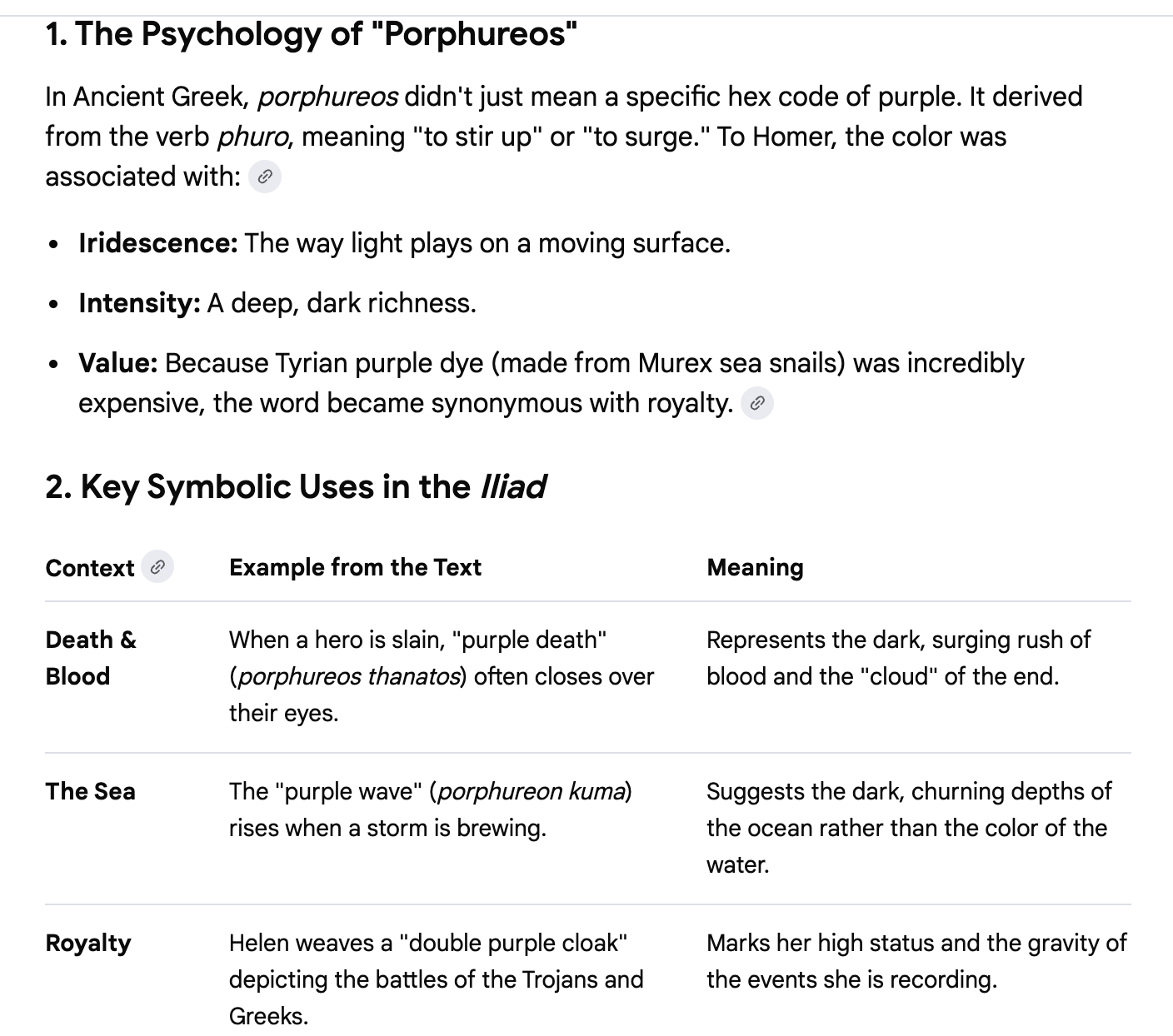
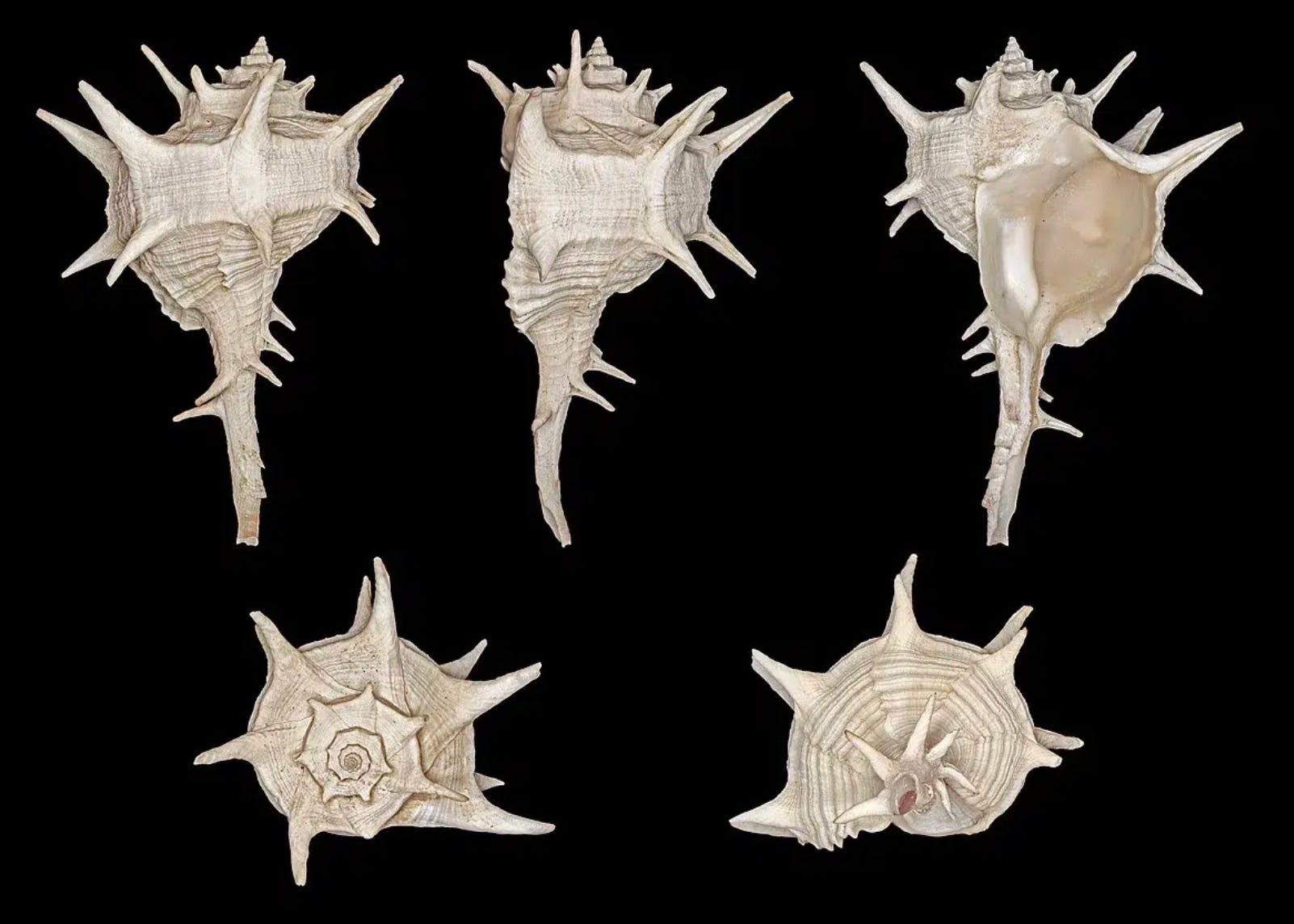
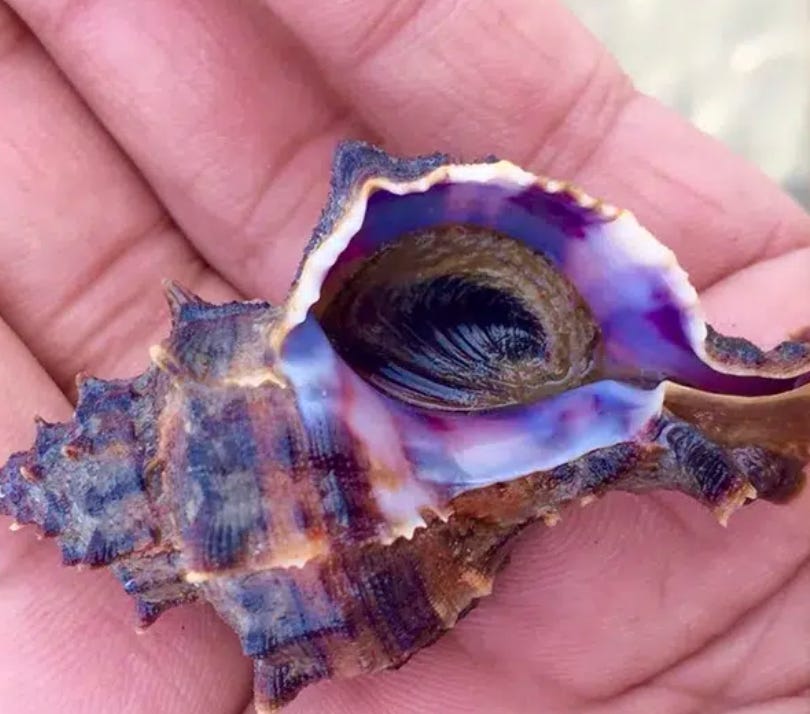
In 1200 B.C., a blue-purple dye known as Tyrian purple (and/or royal purple), became a highly-valued commercial item throughout Asia Minor. It was produced by shellfish of the murex family, but the formula was kept secret for centuries.
According to the Bible, God commanded Moses to require Jews to use this dye to color the edges of their shawls so that they could recognize the dawn and start their morning prayers. The dye was reported to be worth its weight in gold. Cleopatra had requested Anthony give her dye instead of pearls.
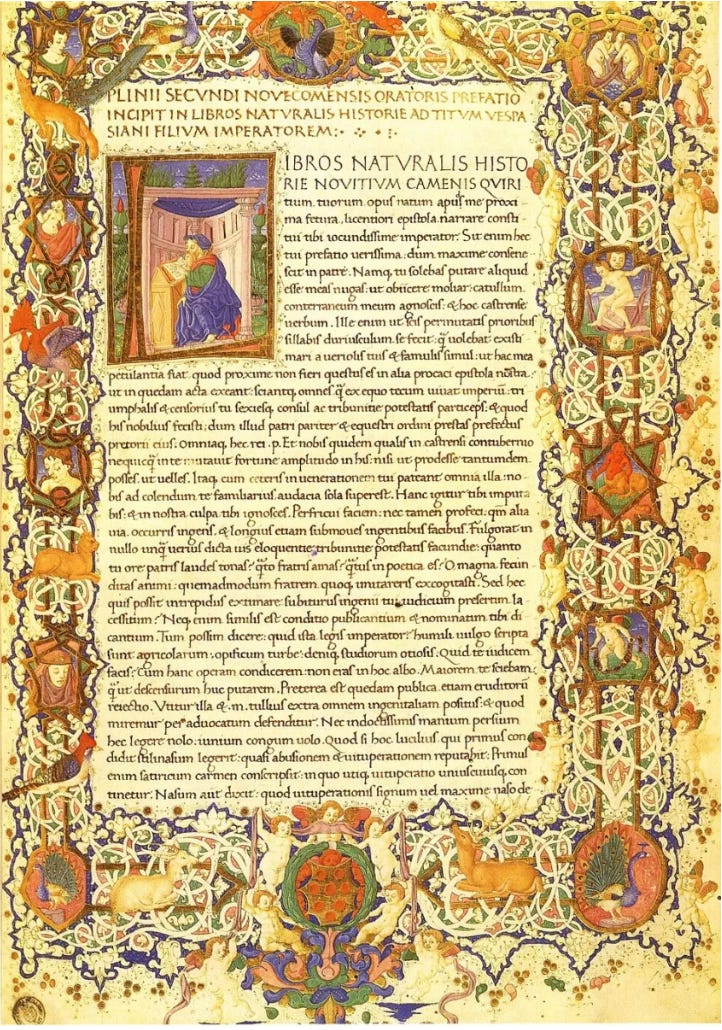
Tyrian purple was first produced by ancient Phoenicians (whose name means “purple people”) and exported to various Mediterranean ports. Pliny the Elder, in his ninth book of Naturalis Historia, described the preparation of the dye, which was manufactured using mortar and pestles.
The dye is obtained from the mucous secretion from the murex shellfish hypobranchial gland (Muicidae family). The shellfish glands are incubated for three days in seawater and then boiled, and the insolubles are removed. The murex glands contain both the organic substrate and enzymes for production of the dye.
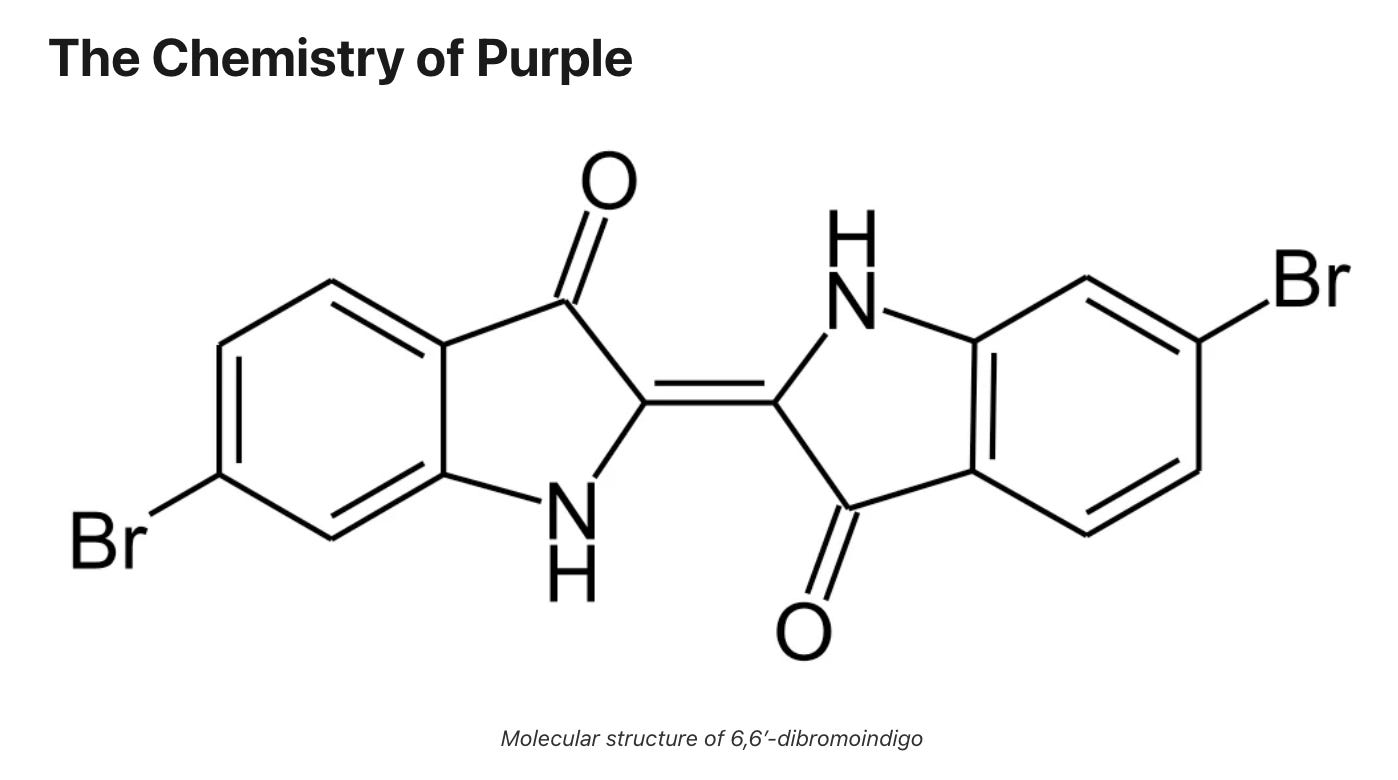
Tyrian purple was synthesized by Franz Sachs and Richard Kempf in 1903 and identified by Paul Friedlander in 1909 to be 6,6′-dibromoindigo. Archeologists have identified dye production sites that contain large quantities of murex shells. The production of the indigo dye represents a very early biotech project using an enzymatic process to produce a valuable product. The next report on an enzymatic halogenation reaction, about 3000 years later, was the paper Lowell Hager published with Paul Shaw on the detection of a chlorinating enzyme in C. fumago cells.
“We detected chloroperoxidase (CPO) activity in our first experiments using crude extracts prepared from C. fumago. In these early experiments, we incubated 36Cl with potential precursors of caldariomycin and examined the incubation mixtures for a 36Cl-labeled organic compound. We identified δ-chlorolevulinic acid as a product formed from β-ketoadipic acid in these crude reaction mixtures. Subsequent work at Harvard established the peroxidative nature of the halogenation reaction, and work on CPO continued upon my move to the University of Illinois in 1960.”
—written by my father, the late Dr. Lowell P. “Bad-dad” Hager, former head of biochemistry at the University of Illinois.
Thanks to dad, my family owns production rights to CPO, which is currently manufactured by my brother at his private lab in North Carolina. In the late 1980s, I began my fight to legalize cannabis using the phoenix as the symbol for the rebirth of knowledge of the plant’s powers (something that would later be adopted by Rick Simpson and others).
The mythical bird was used in my promotions and advertisements for the WHEE! festival I created (usually drawn by artist Steve Marcus). WHEE! was the first and only national ceremony honoring the spiritual side of cannabis. Soon, my crew began called me Phoenix.
Several years later, I came across my father’s groundbreaking investigations into the Phoenicians and learned it had been his most famous and popular lecture during his tenure at the University of Illinois.
The Tyrian purple industry collapsed during the fragmentation of the Roman empire and supply chains evaporated. By the Middle Ages, the science of extracting the dye had been lost and had to be reconstructed using ancient texts and archaeological evidence.